Six Laboratory Benches Behind Every Cold Planer and Reclaimer
Application engineers, hydraulic specialists and safety officers tour these rooms under NDA when validating a new milling width or rotor configuration for high-abrasion binder courses.
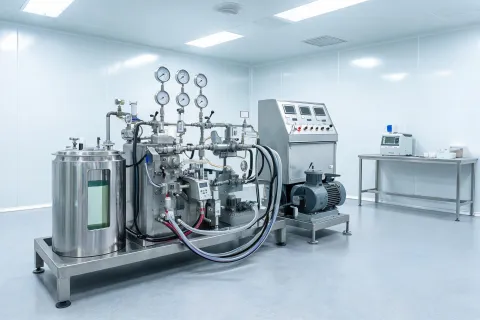
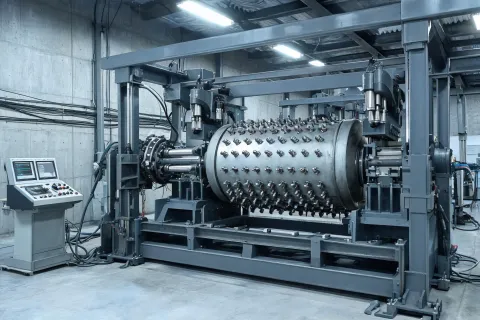
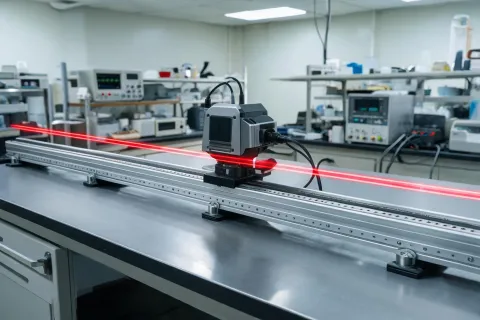
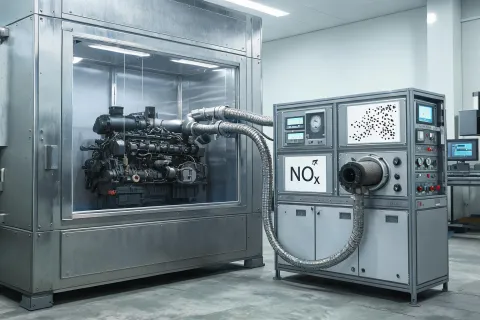
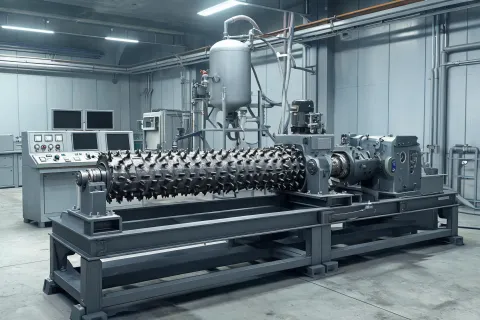
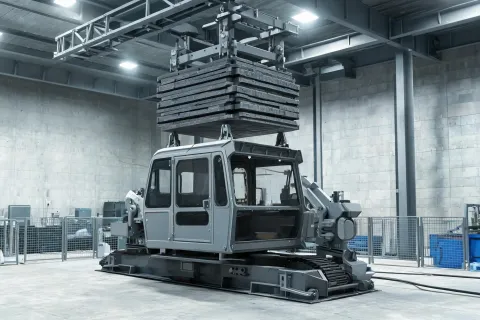
LEVEL PRO calibration tracks · milling drum fatigue tunnels · Tier 4 emissions chambers · reclaim rotor torque benches — every control claim Wirtgen publishes must reproduce here before a machine ships to a corridor fleet.
We will not publish a milling depth chart or reclaim binder dose curve we cannot reproduce on our calibration track.— Chief Engineer, Wirtgen
Application engineers, hydraulic specialists and safety officers tour these rooms under NDA when validating a new milling width or rotor configuration for high-abrasion binder courses.
Equipment managers comparing cold milling machines and reclaimers face the same three questions every season: will milling depth hold when binder thickness jumps, will rotor torque stay predictable when moisture spikes, and will Tier 4 Final aftertreatment survive night-shift duty cycles without mid-cut derating. Wirtgen answers those questions with logged hydraulic system pressure maps, LEVEL PRO calibration traces and ISO 4406 cleanliness baselines — not slogan-level claims about toughness.
Chief engineers from corridor EPCs routinely bring core samples and agency depth logs into the calibration track. We replay their layer map on the averaging beam, then show how pick pattern and drum diameter choices interact with the compaction force window of the following roller train. That sequence shortens RFQ cycles because procurement already has CE 2006/42/EC and EPA Tier 4 Final evidence ready for the bid package.
Operating weight, ground pressure and conveyor swing geometry change with regional traffic control rules. Our application teams document those constraints before a machine ships, then mirror the pick and holder kit list to the nearest of twenty-eight regional hubs. When IoT telemetry later flags rotor vibration or hydraulic return contamination, the same hub that staged commissioning kits can pre-position rebuild parts so mean-time-to-repair stays under eighteen hours on contracted fleets.
This is the practical meaning of innovation leadership for road construction: measurable depth control, auditable emissions and parts logistics that keep milling trains earning when a single stopped cold planer would idle an entire paving convoy.
Each paper pairs field corridor data with bench methods so procurement managers can attach evidence to CE and EPA bid packages. Request the PDF through the contact desk — downloads are gated to verified contractor and EPC domains.
Bring your milling depth targets and reclaim mix design; our chief engineer will walk the benches that validate them.
Request engineering visit